
The leap from the Old Testament to the New isn’t a rupture, but a fulfillment. The shift from the Mikveh (ritual immersion) to Christian Baptism is one of the most visible examples of this “divine preparation.”
From Ritual to Renewal
When the Apostle Peter stood before the massive crowds in Jerusalem on the Day of Pentecost and commanded them to “be baptized… for the remission of sins” (Acts 2:38), he wasn’t introducing a foreign concept. To the thousands of Jews gathered, the act of immersion was a foundational part of their lives. God had spent centuries using the physical requirements of the Law to prepare their hearts for a spiritual transformation.
The Jewish Mikvah
In the Hebrew tradition, the Mikveh was a pool of “living water” (naturally flowing or rainwater) used for ritual purification. Under the Mosaic Law, various states of “uncleanness” required immersion before one could participate in community life or enter the presence of God.
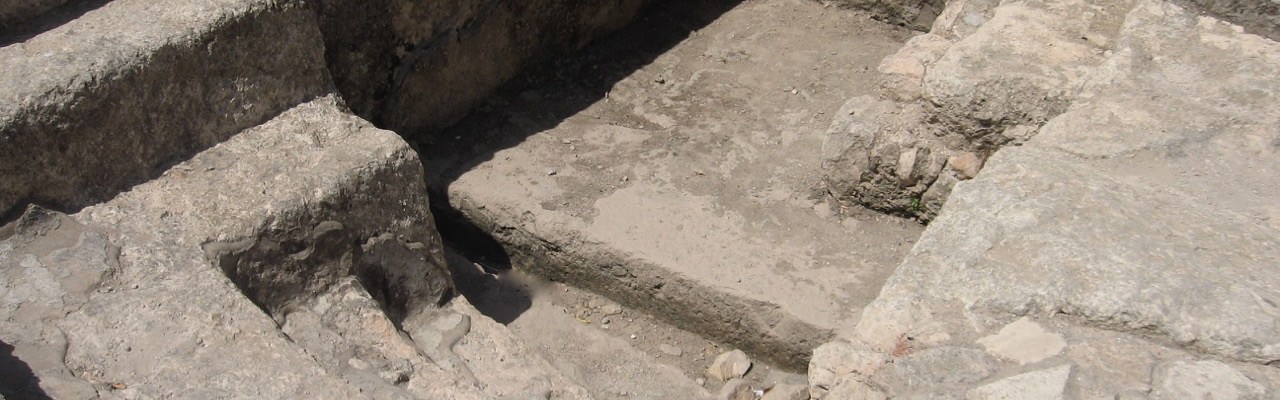
By the first century, the area surrounding the Southern Steps of the Temple Mount was a landscape of stone-cut baptismal pools.
- Physical Cleansing for Sacred Entry: No Jew would dream of entering the Temple courts without first immersing. It was a physical boundary between the “common” world and the “holy” presence of God.
- A Symbol of Repentance: By the time of John the Baptist, immersion had already taken on a tone of repentance (metanoia). John’s baptism served as a bridge, utilizing a familiar physical rite to signal a change of heart. John refused to baptize those who had no “fruit in keeping with repentance” (Matthew 3:8). Repentance is a prerequisite for Baptism (Acts 2:38).
From Flesh to Conscience
The beauty of God’s design is seen in how He kept the form of the ritual but elevated the substance. Peter makes this distinction explicit in his first epistle:
“The like figure whereunto even baptism doth also now save us (not the putting away of the filth of the flesh, but the answer of a good conscience toward God), by the resurrection of Jesus Christ.” — 1 Peter 3:21
In the Old Covenant, the Mikveh dealt with the filth of the flesh—ceremonial impurity. In the New Covenant, the physical act remains, but it is now the “answer of a good conscience.” The water hasn’t changed, but the authority and the outcome have. It is no longer about temporary access to a stone Temple, but eternal union with Christ (Romans 6:4-6).
The Logistics of Pentecost: 3,000 Souls
Skeptics often ask: “How could the Apostles possibly baptize 3,000 people in one day in a dry city like Jerusalem?”
The answer lies in God’s providential preparation of the Temple architecture. The Southern Wall of the Temple was lined with dozens of Mikvehs to accommodate the massive influx of pilgrims during “The Feast of Weeks” (Pentecost).
| Feature | Old Testament Mikvah | New Testament Baptism |
| Purpose | Ceremonial Purity | Remission of Sins / Union with Christ |
| Frequency | Repeated often | Once for all |
| Requirement | The Mosaic Law | Faith in Jesus Christ |
| Location | The Temple Gates | The Body of Christ |
On that Sunday morning, the very pools that were built to prepare Jews for the shadow of God’s presence in the Temple were used to usher them into the reality of God’s presence through the Holy Spirit guiding the Apostles.
Here is a link to an article about the Jewish Mikveh in the second Temple period: Mikveh Discovery Highlights Ritual Bathing in Second Temple Period Jerusalem – Biblical Archaeology Society
The Master Architect
God did not choose baptism at random. He spent 1,500 years teaching His people that entry requires washing. When the Gospel was finally unveiled, the Jews didn’t have to learn a new ceremony; they simply had to recognize that the “living water” they had been seeking was found in the person of Jesus. Baptism is the act that places us “in Him” (Galatians 3:27; Romans 6:3).
The Mikvehs of the Temple stand today as silent archaeological witnesses to the fact that the transition to Christianity was a masterpiece of divine planning. When one considers the biblical data alongside the historical evidence, there is no good reason to reject water baptism as the means of spiritual purification culminating from a believing, repentant and confessing heart (John 8:24; Luke 13:3; Romans 10:10; Acts 2:38).
If we at the Eastside Church of Christ can help you in any way, please, afford us the privilege to be the hands and feet of Jesus in your life.
God loves you and we do too.
 eastsidecocmorganton.com